Showing posts with label soft wash. Show all posts

Wednesday, 24 April 2019

How Often Should You Wash Your House?

How often should you wash your house?

Most people clean the interior of their homes daily.  If you have small children or pets like us, you probably clean your home several times throughout the day! We clean the interior of our home so often that we often think of hiring a maid service. Some of you may already do that. But why? It’s simple really. A clean house is safer, more comfortable to live in, and definitely more appealing to the senses! It just makes us feel more at home when we live in an organized and clean environment.

So why would we want to clean the exterior of our home? Doesn’t rain and wind wash away the things that make our house dirty? Not by a long shot.

The number one reason we keep the exterior of our home cleaned is for appearance. We are simply more proud of our home when it is clean and well-kept. Curb appeal is very important for most home owners. The visual appearance of your home also plays a large benefit in your home’s perceived value.
How often do we drive by a neighborhood and notice nearly half or more of the homes in that neighborhood are dirty and covered in algae? It’s not often that we see those homes and think, “Those are some nice homes.” Dirty homes drive the property value down!

Did you know that giving your home a good wash once a year is actually beneficial to you and your family’s health?

The eaves, soffits, cracks, crevices, and overhangs on your home are ideal hiding places for insects, spiders, and other nasty creepy-crawlers. These places are also perfect places for mold, mildew, and algae to grow. If your home is left untreated for too long, you could start seeing tiny eco-systems growing all over your home!

So what’s the benefit to your health?

Do you or any members of your family suffer from seasonal allergies? It’s not uncommon for most people to get the sniffles and sneezes during peak allergy season. But what about people who suffer from allergies all year around? Chances are, they are exposed to the very allergens that are making them sick all day long! All those mold and mildew spores that are hiding on your home’s exterior surfaces are migrating into your home, contaminating the air and creating an unhealthy environment for your family.

So how often should your house be washed?

We recommend washing your home once a year whether you can visually see mould, mildew, or algae growth or not. These micro organisms will avoid sunlight by growing in the cracks and crevices of your home’s exterior surfaces. When you finally see the growth on surfaces such as siding, soffits, or gutters, you’ve waited too long.  

What makes our cleaning process different?

It’s 2019. The days of using a high pressure, pressure washer to clean everything are over. We use a much gentler process. It’s call soft-washing. We apply a detergent based solution to your home’s exterior surface using dedicated soft-washing equipment. Our equipment is capable of washing up to four stories high from the ground at only 70 PSI to 150 PSI! That’s about the same as the pressure coming out of your garden hose. After about 10 minutes, our solution will completely eradicate any and all organic growth on your home’s exterior surfaces. We then rinse the solution off your home leaving it clean, bright, and visually appealing again!
If you’re interested in having your windows cleaned up to perfection after having your home washed, we can take care of that for you the same day. Click here for more information. Residential Window Cleaning

Monday, 16 April 2018

GOAL SETTING IN YOUR SERVICE BUSINESS

Setting goal's in your service based business is very important, Not only to lay the foundation of where you would like to be in the future but to also draw a map on how you are going to get there. Within my business Wash Rite i have set quarterly goal and yearly goals and 3 yearly goals.

These goals are broken down as follow's.

Quarterly Goal's

  • 5% min growth in revenue across all our franchise's while growing our net profit margin by at least 1.25% each quarter.
  • Raise our client referral rate each quarter by at least 2.5%
  • Lower or Accounts Recoverable payment days average by 2.5% each quarter
  • Average of 1.5 new franchise's launched each quarter
Annual Goal's
  • 20% min annual growth on year before
  • 5 New Franchise's to be launched within the year
  • Client referral to take over our largest client source 
  • Net profit grows by at least 5% but ideal target of 11%
3 Yearly Goal's
  • Be the largest exterior cleaning company within New Zealand, Currently the largest in the south island and second largest in the country.
  • Have a franchise network of 30 plus franchises within New Zealand.
  • Launch the first Wash Rite franchise outside New Zealand. 
As you can see our quarterly goals are very manageable and seem small, But that;s the point, Make your goals achievable and work towards them and soon you will notice your small goals are reached and soon so will be your larger goal's, The only think you have to do is the work required to achieve the goals.

At the moment we are well on the way to achieving our goal, This year alone we have opened up a franchise in Christchurch and they are doing very well servicing there house wash and roof wash clients in Christchurch and we have also started a franchise in New Plymouth who are doing exceptionally well and are almost close to be the market leader in there city.

Thursday, 13 April 2017

End of Summer Cleaning List

End of Summer Cleaning List

In New Zealand Autumn is a time of celebration, Rugby and Rugby League has just started a new season, The leafs are changing color. As summer starts to wind down our homes will need a re-freshening. Spring cleaning is all about clearing away the clutter and brightening up our homes in time for summer but autumn cleaning is all about getting your home ready for those cold wet winter days and nights that New Zealand has. Here are a few things that we recommend you get done before autumn is in full swing.

Gutter Cleaning 
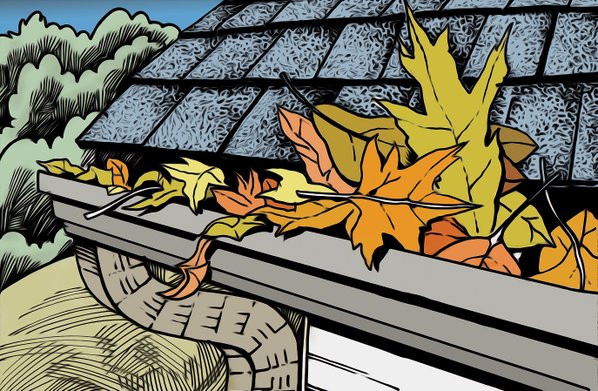
Cleaning out your gutters is probably the single most important thing you can do as part of your autumn cleaning. Gutters that are not cleaned out regularly can block up and overflow and can flood back into the roof and wall cavity. Failing to maintain your gutters can become a very costly repair to your home. It's always a good idea to do a thorough gutter cleaning before the leaves begin to fall and another one once all the leaves on all the tree's around you house has fallen off, This will give you the best outcome and the least possible chance of a gutter blocking up and overflowing.

Clean window's
Having clean windows during the summer is a must, so the majority of homeowners get their windows cleaned in late spring or early summer. But late summer and Autumn might be the last chance to give yourself a clear view for the winter. The days are getting shorter, so to maximize your home’s natural light through the end of the year, give your windows a thorough cleaning. Windows are constantly exposed to the elements of rain, frost, temperature change and wind. Glass is a porous, sponge-like surface that will develop a buildup of dust, dirt and various minerals over time. When these penetrate, it can cause staining and permanent damage. Replacing your windows is extremely expensive and completely avoidable.
Many homeowners are able to tackle the tasks inside their home, but how many are able to get on a ladder and completely clean their own windows, gutters or stain their own deck? How many homeowners are comfortable doing that, and furthermore, have the tools and supplies to do so? Reaching out for help in some areas may be worth considering. Do yourself a favor and research quality local house washing company's.

Roof Cleaning
Autumn is the best time to have your roof treated for moss and mould. A simple and cost effective moss and mould roof treatment might set you back $200 or less but it will save you much much more on roof repairs and replacement cost's. As most roof treatment 's require the wind and the rain to wash away the dead moss and mould on the roof once its been treated the winter rains will help speed up the removal of the dead material. 

Contact your local roof wash contractor and get them out to provide a quote, Always make sure you see there insurance before any work is carried out on your property.

Saturday, 8 April 2017

10 Steps to Systematizing Your Business

10 Steps to Systematizing
Your Business for Success

by Troy Hillard
Director 
Wash Rite Limited
Most errors made within any business large or small are not caused by staff not taking there job seriously or intentionally damaging product it's cause by those staff not having a clear and defined policy and procedure on how to carry out that task there required to do.. Here are 10 steps i believe will help you to create policy's, procedures and systems that will ensure your business more successful in the future.
Clarity is one of the key point's in effective business structure design, along with people and industry specific technology. Yet with the haphazard process management common in many businesses, it is little wonder that employees struggle to do a good job. So, although mapping your business processes is relatively simple to do and involves no financial outlay, it pays huge dividends in business efficiency and employee commitment. If you are thinking about systematizing your business, here are ten key pointers to keep in mind.
I see many businesses, both large and small, continue to communicate sections of important policies and processes to employees through one-time emails and the like. This could include a new purchase authorization policy or a new data entry procedure. Expecting employees to forage through past emails and other transitory type documents only leads to wasted time and exasperation.
1. Involve employees who actually do the work in the mapping
Employees who do the actual work are in the best position to know the detailed steps in each process. They are also most familiar with the common roadblocks and bottlenecks and the key contacts in the organization to get things done. Involve your employees up front by inviting them to join process-mapping teams. Keep managers and supervisors out of the process-mapping sessions, as they have a tendency to dominate the sessions with their own "expertise."
2. Identify process start and end activities
For each process, clearly identify the start and end. If the team neglects this important step at the start of each mapping session, in the team's enthusiasm, extra activities will quickly creep into the picture until the process becomes unmanageable. Think of one activity that triggers the process, such as an invoice appearing in an in tray. This is the start. Then think of the last activity performed. It may be, for example, posting an item to the General Ledger.
3. Identify process objective and inputs and outputs
This is where work starts to take on new meaning for employees. The team leader should ask employees why each process is performed and what are the expected results of each process. Not only does this help to focus attention on removing non-value add activities, but it also gives employees a sense of purpose in their working life.
Asking the teams to identify the inputs to the process and the expected outputs will serve to clarify what the process needs before it can begin and what customers of the next process will get before they can begin. For example, agreeing that widget assembly cannot begin until the joining screws are supplied will eliminate a lot of idle work in progress.
4. Identify Customer and Supplier requirements
Next, each team needs to work out who the suppliers and customers of the process are. This step is critical as it identifies who the team needs to work with collaboratively to maximize business results. If a process does not have a customer, then eliminate it as it has no useful purpose. Every employee working in a process should serve either an internal customer or an external customer or both. Each team should then ask of their customers what it is they want from the process, in terms of quality, turn around time, and so on. For example, the internal customers of the purchasing team may require orders to be fulfilled within two days unless placed on back order.
Conversely, the team needs to clarify what it is they need of their suppliers, both internal and external, to perform their process effectively and efficiently. A purchasing team may require other departments, for example, to fill in all fields of the Purchase Order prior to submission.
5. Identify a Process Owner for each process
For each process, specify one Process Owner. Identifying one person who is responsible for the process end to end is critical to ensuring process efficiency. Where processes flow through departments, as all major processes do, the Process Owner will need to have sufficient authority and credibility to make decisions spanning these departments. There is no more effective way that I know to dismantle quickly and effectively the silo walls that get built separating departments.
6. Manage the level of detail
The magic of process maps lay in their seemingly simple visual presentation of complex ideas. One picture can tell a thousand words. Each process map should take up no more than one page, with its definition taking up just one other. If a map takes up more than one page, identify sub-processes within each process and show each sub-process on a separate page. Use clear referencing to link each sub-process with its associated macro process. I have seen process maps that flow on page after page after page. These do little more than confuse employees.
Do not try to document everything that goes on in your organization. Decide on the priority processes and concentrate on these. Processes from which you can gain quick wins are those that interface with external customers and suppliers and those that are currently providing you with your biggest headaches.
7. Use standardized mapping conventions
What you want is for anyone in the organization to be able to pick up a process map and understand instantly what it is they are seeing.
Standardize on mapping conventions and formatting of the maps. Mapping symbols, flow direction, page layout, fonts, titling and so on, should be the same from one map to another. Keep the number of flow chart symbols to a minimum. You should need no more than six to keep the maps easy to read.
8. Get agreement on the process
The most beautifully documented process will mean naught if there is little commitment from the major actors to follow them. Crunch time will come in those tough times of impending deadlines and snappy stakeholders.
I find what works well is getting formal sign-off from the process-mapping team leader, the Process Owner and the managers of the interfacing processes (both supplier and customer). This may seem overkill and you may get some resistance, however, getting formal agreement now will save you much heartache later when people start to come up with excuses as to why the seemingly agreed process does not apply in this or that case.
9. Document the process
The most important thing that team leaders can do after the team agrees on the process definition and steps is to write it down. What works well is brainstorming all the process activities first, writing each process step on a Post-it note and then having a team member place the Post-it notes in order on flip chart paper. The next hour or so is then devoted to arguing about the activities and order of steps. Post-it notes can easily be moved around during this debating process. Only when there is full agreement are the lines and arrows drawn in to signify the process flows. Get the process formally drawn up and make sure that they are made easily accessible to all who need them. Fix them to operator machines, post them on the corporate intranet or place them in a loose-leaf binder on each officer's desk. Put them where people do their work and make sure that they are accurate, concise and easily understandable.
10. Convey management commitment and train your teams
Although mapping business processes will not cost you much in capital expenditure, it does require concerted effort. Get the management team to show visible support and commitment to the project. Activities here include holding regular project progress meetings and rewarding the most productive teams. Teams will loose faith and energy quickly if management support is seen as piecemeal or being given grudgingly. Team leaders will need to be able to organize effectively and manage their time, along with possessing the necessary interpersonal and analytical thinking skills.
Each team will also need a mix of abilities; people who can think creatively, bond the team and follow through on tasks, to name just a few.
Where these skills are lacking, they will need to be learned. Do not skimp on training the teams and their team leaders. This is a very wise commitment, as such teams have proved to be a fertile ground for developing the next line of leaders.
Use as a basis for further improvement
The primary objective of mapping business processes is to form a common understanding from which process improvements can be achieved. If this is the first time that your organization is setting out to map its processes, be ready to receive a bonus. The initial act of defining processes brings new clarity of roles, objectives and activities. For every team that I have worked with, this new shared understanding has uncovered many areas for improvement during the initial mapping process.
Once your teams have completed mapping their key processes, turn them into continuous improvement teams. Not only do the documented maps serve as the agreed baseline for ongoing process improvement, they also make for excellent induction and training resources. Now sit back and watch your business soar.
I hope this information helps you build your business as it has helped me build my business Wash Rite House Washing.

Wednesday, 15 February 2017

HOW TO ADD VALUE TO YOUR HOUSE.

HOW TO ADD VALUE TO YOUR HOUSE.


A question that gets asked often by home owner's is how can i ad to the value of my house? This is an important question as to most people there home is there largest asset so by adding value to it your increasing your net-worth.

Here are a few things you should do to ad thousands or even tens of thousands to your houses value.

 http://washrite.co.nz/services/house-wash/House Washing

First you need to wash the exterior of your home, weather you do it yourself or you hire a professional house washing company either way you must wash your house, As first impressions is key. Most people in the market don't want a list of jobs they have to do after they purchase a new home and they will pay a premium for a house that's clean and tidy and has great street appeal. So washing your siding and the windows would be the first recommendation.


Roof Wash
 http://washrite.co.nz/services/roof-wash/


As your roof is visible from the street frontage this is a key item that must be washed and looking good, As we all know roof repairs are always expensive so having a nice clean roof free from moss, mould, algae and lichen will put prospective home buyers fears to rest. This is one job i highly recommend getting a professional roof washing company in to do due to the safety risks of falling from the roof. An average roof wash will cost you from $350 to $650 depending on the size of the roof and if its multi level or single level.

Gutter Cleaning
 http://washrite.co.nz/services/servicesgutter-cleaning/


Cleaning out your gutters is a simple job that can be done by any home owner with a ladder, No one wants to buy a house with grass and plants growing out of the gutters so by cleaning them out you will not have buyers double guessing the houses condition. And you also run the risk of flooding the house if the gutters back up and over flow back into the roof cavity. 


Driveway Cleaning

 http://washrite.co.nz/services/pathdriveway-clean/Cleaning your driveway will make an instant impression to people interested in buying you house, A nice clean driveway with no mould, or oil stains on it will give a great first impression, This is one job you will have to hire a professional for as they will have the right equipment and the right soaps to clean away all the old oil stains and to brighten the concrete. But it is well worth spending $200 to get the driveway looking like new again.

A local Hamilton real estate agent Cathy O'Shea is a firm believer in a house looking its best before going on the market to ensure the best possible sale price for the vendors, She enlists the services of Wash Rite Hamilton to bring these property's back to the very best prior to listing the property on the market for sale.


Saturday, 28 January 2017

10 Steps to Systematizing Your Business for Success

10 Steps to Systematizing
Your Business for Success

by Troy Hillard
Director 
Wash Rite Limited
Most errors made within any business large or small are not caused by staff not taking there job seriously or intentionally damaging product it's cause by those staff not having a clear and defined policy and procedure on how to carry out that task there required to do.. Here are 10 steps i believe will help you to create policy's, procedures and systems that will ensure your business more successful in the future.
Clarity is one of the key point's in effective business structure design, along with people and industry specific technology. Yet with the haphazard process management common in many businesses, it is little wonder that employees struggle to do a good job. So, although mapping your business processes is relatively simple to do and involves no financial outlay, it pays huge dividends in business efficiency and employee commitment. If you are thinking about systematizing your business, here are ten key pointers to keep in mind.
I see many businesses, both large and small, continue to communicate sections of important policies and processes to employees through one-time emails and the like. This could include a new purchase authorization policy or a new data entry procedure. Expecting employees to forage through past emails and other transitory type documents only leads to wasted time and exasperation.
1. Involve employees who actually do the work in the mapping
Employees who do the actual work are in the best position to know the detailed steps in each process. They are also most familiar with the common roadblocks and bottlenecks and the key contacts in the organization to get things done. Involve your employees up front by inviting them to join process-mapping teams. Keep managers and supervisors out of the process-mapping sessions, as they have a tendency to dominate the sessions with their own "expertise."
2. Identify process start and end activities
For each process, clearly identify the start and end. If the team neglects this important step at the start of each mapping session, in the team's enthusiasm, extra activities will quickly creep into the picture until the process becomes unmanageable. Think of one activity that triggers the process, such as an invoice appearing in an in tray. This is the start. Then think of the last activity performed. It may be, for example, posting an item to the General Ledger.
3. Identify process objective and inputs and outputs
This is where work starts to take on new meaning for employees. The team leader should ask employees why each process is performed and what are the expected results of each process. Not only does this help to focus attention on removing non-value add activities, but it also gives employees a sense of purpose in their working life.
Asking the teams to identify the inputs to the process and the expected outputs will serve to clarify what the process needs before it can begin and what customers of the next process will get before they can begin. For example, agreeing that widget assembly cannot begin until the joining screws are supplied will eliminate a lot of idle work in progress.
4. Identify Customer and Supplier requirements
Next, each team needs to work out who the suppliers and customers of the process are. This step is critical as it identifies who the team needs to work with collaboratively to maximize business results. If a process does not have a customer, then eliminate it as it has no useful purpose. Every employee working in a process should serve either an internal customer or an external customer or both. Each team should then ask of their customers what it is they want from the process, in terms of quality, turn around time, and so on. For example, the internal customers of the purchasing team may require orders to be fulfilled within two days unless placed on back order.
Conversely, the team needs to clarify what it is they need of their suppliers, both internal and external, to perform their process effectively and efficiently. A purchasing team may require other departments, for example, to fill in all fields of the Purchase Order prior to submission.
5. Identify a Process Owner for each process
For each process, specify one Process Owner. Identifying one person who is responsible for the process end to end is critical to ensuring process efficiency. Where processes flow through departments, as all major processes do, the Process Owner will need to have sufficient authority and credibility to make decisions spanning these departments. There is no more effective way that I know to dismantle quickly and effectively the silo walls that get built separating departments.
6. Manage the level of detail
The magic of process maps lay in their seemingly simple visual presentation of complex ideas. One picture can tell a thousand words. Each process map should take up no more than one page, with its definition taking up just one other. If a map takes up more than one page, identify sub-processes within each process and show each sub-process on a separate page. Use clear referencing to link each sub-process with its associated macro process. I have seen process maps that flow on page after page after page. These do little more than confuse employees.
Do not try to document everything that goes on in your organization. Decide on the priority processes and concentrate on these. Processes from which you can gain quick wins are those that interface with external customers and suppliers and those that are currently providing you with your biggest headaches.
7. Use standardized mapping conventions
What you want is for anyone in the organization to be able to pick up a process map and understand instantly what it is they are seeing.
Standardize on mapping conventions and formatting of the maps. Mapping symbols, flow direction, page layout, fonts, titling and so on, should be the same from one map to another. Keep the number of flow chart symbols to a minimum. You should need no more than six to keep the maps easy to read.
8. Get agreement on the process
The most beautifully documented process will mean naught if there is little commitment from the major actors to follow them. Crunch time will come in those tough times of impending deadlines and snappy stakeholders.
I find what works well is getting formal sign-off from the process-mapping team leader, the Process Owner and the managers of the interfacing processes (both supplier and customer). This may seem overkill and you may get some resistance, however, getting formal agreement now will save you much heartache later when people start to come up with excuses as to why the seemingly agreed process does not apply in this or that case.
9. Document the process
The most important thing that team leaders can do after the team agrees on the process definition and steps is to write it down. What works well is brainstorming all the process activities first, writing each process step on a Post-it note and then having a team member place the Post-it notes in order on flip chart paper. The next hour or so is then devoted to arguing about the activities and order of steps. Post-it notes can easily be moved around during this debating process. Only when there is full agreement are the lines and arrows drawn in to signify the process flows. Get the process formally drawn up and make sure that they are made easily accessible to all who need them. Fix them to operator machines, post them on the corporate intranet or place them in a loose-leaf binder on each officer's desk. Put them where people do their work and make sure that they are accurate, concise and easily understandable.
10. Convey management commitment and train your teams
Although mapping business processes will not cost you much in capital expenditure, it does require concerted effort. Get the management team to show visible support and commitment to the project. Activities here include holding regular project progress meetings and rewarding the most productive teams. Teams will loose faith and energy quickly if management support is seen as piecemeal or being given grudgingly. Team leaders will need to be able to organize effectively and manage their time, along with possessing the necessary interpersonal and analytical thinking skills.
Each team will also need a mix of abilities; people who can think creatively, bond the team and follow through on tasks, to name just a few.
Where these skills are lacking, they will need to be learned. Do not skimp on training the teams and their team leaders. This is a very wise commitment, as such teams have proved to be a fertile ground for developing the next line of leaders.
Use as a basis for further improvement
The primary objective of mapping business processes is to form a common understanding from which process improvements can be achieved. If this is the first time that your organization is setting out to map its processes, be ready to receive a bonus. The initial act of defining processes brings new clarity of roles, objectives and activities. For every team that I have worked with, this new shared understanding has uncovered many areas for improvement during the initial mapping process.
Once your teams have completed mapping their key processes, turn them into continuous improvement teams. Not only do the documented maps serve as the agreed baseline for ongoing process improvement, they also make for excellent induction and training resources. Now sit back and watch your business soar.
I hope this information helps you build your business as it has helped me build my business Wash Rite House Washing.

Tuesday, 24 January 2017

6 Surprising Tips To Clean Concrete


6 Surprising Tips To Clean Concrete

Summer in New Zealand means BBQs, swimming, and outdoor activities. And, with the kids not in school than the kids will be spending most of their days outside playing, running, and having a good time. Whether it is a BBQ, swimming, sidewalk chalk drawing, or some other activity, a surprising number of summer activities revolve around concreted areas. Here are 6 somewhat surprising household items you can use to keep your cement clean and safe for you, your kids, and any guests you may have for those fun summertime activities.

  • Ammonia: effective at cleaning discoloration from your concrete. Mix 1 cup of ammonia with 3 liters of water and scrub the discolored concrete. Hose the cement down when you’re done.
  • Diet Coke: Surprised? Well, don’t be Diet coke is actually really great at removing rust stains from cement. Use coke zero with hot water and scrub the rust stained concrete areas.
  • Oven-Cleaner: Spray those spots of oil, grease, and transmission fluid with oven cleaner and let stand for 10 minutes. Scrub with a stiff brush and then hose of. For extra tough stains try multiple applications on your concrete.
  • Pepsi: Oils stains can be vanquished from cement with some cola. Here’s what you’ll need. Cat litter, cola, stiff bristled broom, a bucket, laundry detergent, bleach, and protection for your hands and eyes.
  • WD-40: Great for removing oil stains from concrete. Simply spray the area with the stuff and hose it down with water.
  • Baking Soda: Okay so this article is mostly about cleaning your concrete this Summer to keep your cement patios, driveways, walkways, and poolside areas clean and safe. However, to keep your concrete truly safe, it starts long before the Summer. In the cold New Zealand South Island winters, try using baking soda to melt ice on your concrete and cement walkways, patios, and driveways. It is less abrasive and harmful to your concrete.
  • Troy Hillard
  • Wash Rite House Washing
  • www.washrite.co.nz

Saturday, 21 January 2017

Top 5 Reasons to Power Wash Your Home

Top 5 Reasons to Low Pressure Wash Your Home


Why should you Low pressure wash your home?

Those of us that live in New Zealand know what it’s like to deal with crummy weather. It gets really hot, really cold, really wet and then really dry. The weather is unpredictable! Washing your home is the best way to get rid of mould, mildew and stains on your home’s brick/wood patio or your house's exterior walls. Take the first step to protecting your home by getting a free power washing estimate from Wash Rite House Washing today!

Wash Away Mold and Mildew.
  1. Washing Saves Money: First and foremost,  washing is smart preventative maintenance, like gutter cleaning, for all exterior surfaces and can prevent costly repairs to your property. Furthermore, power washing is one of the least expensive cleaning tools or large surfaces such as your home’s exterior.
  2. Washing Prevents Permanent Damage: Winter grime can cause serious damage and stains to your home and exterior surfaces if not properly taken care of and removed in the spring. Letting stain and grime sit on your home or office for very long periods can result in permanent damage.Washing can remove this grime quickly and easily with little impact on the environment, when compared with traditional cleaning solutions.
  3. Low Pressure Washing Saves Time: Compared to regular cleaning methods, using a low pressure washing service saves valuable time. No mixing cleaning solutions, no climbing ladders, no strenuous activity, no endless scrubbing. Hand washing does not have the same power, and it could take hours to get a fraction of the results. When you choose to wash, the filth and grime that has attached to your outdoor surfaces throughout the winter will be cleaned away with little effort.
  4. Washing Removes Allergens: With the arrival of spring in New Zealand, allergen levels begin to elevate. Homeowners can reduce the level of allergens in and around their home by washing the exterior of their home. This will help lower the allergen levels and can help you and your family live a bit more peacefully this spring without coughing, sneezing and watery eyes.
  5. Washing Prepares Surfaces: New Zealand winters can be long and cold, and many homeowners use spring-cleaning as the perfect time to tackle that do-it-yourself project that’s been put off throughout the winter. Low pressure washing is the perfect way to prepare surfaces for paint or refinishing. Whether you’re thinking about re-staining your deck, painting your home, or refinishing your pool, Low pressure washing will prepare the surface better than any other cleaning process or solution.
When you’re ready to explore the many benefits that come from adding a low pressure washing into your spring-cleaning routine, our team at Wash Rite  is standing by to assist you. Connect with us today to discuss your specific project and to receive your free, comprehensive quote. We look forward to hearing from you and to helping you with all your low pressure washing needs. Contact us today to get started!

Saturday, 31 December 2016

DONT LET BLOCKED GUTTER DAMAGE YOUR HOUSE

Wash Rite Gutter Cleaning hamilton new zealand
I'm dealing with piles of leaves in my yard and worrying about all the debris such as acorns, pine needles and small twigs that are hiding in and filling up my gutters. Do I have to clean the gutters, or is this a chore I can put off for a bit longer?
Wind, rain, leaves and tree branches create lots of yard chores for homeowners. Gutter cleaning is one autumn to-do item on the list that shouldn't be ignored or even postponed, whether you're tackling the task or hiring professionals to handle it.
It's important to keep gutters cleared.
"The primary purpose of the gutter is to protect the foundation from the water that is falling down," says Troy Hillard, owner of Wash Rite House Washing. in New Zealand. Clogged gutters prevent rainwater from flowing properly through them. When the water is blocked, it can pour over the gutters' edges and run down the walls or other areas it isn't supposed to, which can lead to bigger problems.
"The biggest problem with leaving debris in the gutter is that the gutter is designed to hold a certain weight of water," says Mr Hillard. When the additional weight of deteriorating leaves is added in, the gutter and the parts of the house it's attached to could be compromised. The gutter could detach from the house, taking the fascia with it.
"Most gutters are plastic or aluminum and most of the trees here in New Zealand are oak or pine," he says, adding that when oak leaves deteriorate they create an acid that can, over time, eat through the clear coat or paint on gutters to eventually deteriorate the metal.
Having the water flow where it's not supposed to could also cause problems with drainage or grading in the yard. Basements or low level rooms could develop leaks. Any of these problems could lead to significant damage to the house, Hillard warns.
"I've cleaned out my own gutters four times in the last three weeks," Mr Hillard says. "If you do it often, it doesn't take very long."
Here are tips for cleaning gutters:
Ladder Safety -- To do the job yourself you need to be comfortable on a ladder. It's also a good idea to have a helper holding the base of the ladder to make sure it remains stable and safe. Choose a ladder that's tall enough to reach the roof and make sure it's safely secured against the side of the house.
Right tools for the job -- Begin the work prepared, wearing heavy duty gloves to protect hands from sharp branches and slimy debris. It's also a good idea to have a scooper to access the gutter's narrow edges and reach all of the gunk that has collected inside.
Choosing a professional -- When hiring someone for the job, ask if they're insured, and work safe compliant Otherwise, the homeowner could be liable if a worker is injured on the job.

Exterior home improvement ideas for any budget

A home’s curb appeal can make or break a possible sale, but not all landscape and outdoor projects are worth investing in. “Steer clear of renovation projects that appeal to a small number of buyers, as this could substantially lower the resale value of your home. For instance, an in-ground swimming pool might be an attractive feature for some, but many home buyers see it as a hassle, at best, or even a possible money-pit. Instead, focus on updating the exterior rather than adding expensive features.
The projects you choose can also vary dramatically when it comes to a return on your investment. For instance, adding a deck can provide a 75% return, while a patio offers only a 30% to 60% return.

Roof

The roof is arguably the most important component of your home. So spending $11,000 to re-roof a 200-square meter roof every two or three decades is acceptable. Which is why Kevin Barwin or Hamilton New Zealand was very unhappy when he had to replace his home’s roof after just 12 years. Barwin had initially paid to install organic asphalt roofing shingles manufactured by an New Zealand company Metalcraft that came with a 20-year warranty. But just over a decade after installation Barwin thought he was forced to replace his roof as it had discolored and had black streaks running down the roof. The shingles had begun to change color and it really started to effect the way his house looked from the street.To prevent further damage, Barwin was refereed by a friend to call Wash Rite to get a professional opinion on whether the roof can be cleaned and or restored or would have to be replaced with a new roof. Once Wash Rite inspected the roof Barwin was surprised that not only can Wash Rite clean the roof but they can get the roof to look like new again and at only 9% of the replacement cost. Barwin was even more impressed by the warranty that Wash Rite gave that the roof would stay clean for 2 years. To avoid Barwin’s experience,  Contact you local Wash Rite franchise and take them up on there offer of a free inspection to see if your roof can be protected by a Zero pressure roof wash. This process will remove all the corrosive algi , mould, lichen and will return your roof back to a like new state and will extend the life of your roof by years and at only a fraction of the replacement cost.
Pro tip: Want a cost-effective roof with a 50-year warranty? Go with metal. Metal does not absorb moister, it reflects the suns rays, It has a hard smooth surface so harder for moss,mould and lichen to get a grip on and start growing.

Siding

Siding can be a quick, cost-efficient and durable way to update your home’s curb appeal and, on average, offers a 77% return on your investment. If your sidding is just dirty you can get your house washed for under $300 in most cases by Wash Rite or if there is damage replacing a few boards will make the world of difference
Pro tip: Many fibre cement board manufacturers offer a pre-finished board, so painting is unnecessary. Plus these products come with a 20- or 25-year warranty and require little more than an annual washing for maintenance.

[ Splurge! ] Solar panels

Elon Musk’s Solar City just launched a tempered glass roofing shingle that doubles as a solar panel. These panels are stronger and more durable than clay or slate (or just about any other roofing material), but no solid pricing has been released for the solar panel roof tiles, as yet.

[ Splurge! ] Front door

Entry doors are the punch to your appeal. Fiber glass doors offer an 82% return on investment and are usually cheaper but more expensive to install. Expect to pay at least $1,000 for installation of a basic steel door and about $2,000 for a fiberglass or standard wood door. Prices on custom wood doors vary considerably, but expect to pay $5,000, installed.

Saturday, 24 December 2016

Why Choose The Non-Pressure Roof Cleaning Method?

Why Choose The Non-Pressure Roof Cleaning Method?
A customer recently asked me why we clean roofs with the Non-Pressure Roof Cleaning method.  The answer is fairly simple, it allows us to be thorough.   
If you have an older style clay tile or new style asphalt roof, it’s the only safe way to clean your roof without damaging the tiles or shingles.  It’s also the only method approved and recommended by Monier roofing ARMA (the Asphalt Roofing Manufacturers Association).  Pressure Washing your asphalt roof will remove granules from the shingle and clay tiles will crack and you will destroy the concrete pointing holding the tiles down and making it weather tight and it will shorten the life of the roof.  Your roof might look better after it’s pressure washed, but it will come at the expense of a roof replacement sooner than it should.  Cleaning your roof with the Non-Pressure method can actually extend the life of your roof by removing the living organism that’s turning your green or black.  This living organism is actually feeding off the minerals in your roof, causing it to lose it’s structure.  By cleaning your roof the right way, you’re not only making your property look better, you’re saving yourself the added expense of premature replacement. 

If you have a Tile Roof, Non-Pressure Roof Cleaning is your best option because it’s the only way to remove all of the roof algae.  Pressure Washing your roof can clean the surface of the roof, but it can reach the thousands of crevasses your roof has and it won’t remove the roof algae that’s growing in those crevasses.  After Pressure Washing your roof, it will look beautiful, but it will have thousands of small colonies of roof algae that will grow and spread to the surface of your roof.  The Non-Pressure method uses chemicals to kill the roof algae.  It’s effective everywhere the solution reaches because it doesn’t rely on pressure to kill the roof algae.  A good, professional roof cleaner can safely apply the roof cleaning mix to the surface of your roof and it’s thousands of crevasses and insure your roof will stay clean for a longer period of time because it won’t have the thousands of roof algae colonies left behind, spreading to the visible areas of your roof.   In the past, pressure cleaning was the only way to clean your roof, but it’s outdated and inferior compared to today's Non-Pressure Roof Cleaning method.

For more information about Non-Pressure Roof Cleaning and Pressure Washing, visit our website – Wash Rite House & Roof washing

Monday, 10 October 2016

Next Level Marketing for your house wash / roof wash business.

You have reached the level that your business is making waves, big waves in your industry within your operating area. The next thing to do is step up your game and go to the next level. We at Wash Rite has reached this level. We are now ramping things up to a level none of our competitors have ever seen.

We are tripled our marketing budget for the coming year, We have doubled our team in the past 6 months, We will be hiring a field sales rep to go door to door offering free quotes as well as handling quote requests from our website. Between the two owners and the sales reps we will be joining 3 business referring groups as well as intense media advertisements such as radio, TV, magazine and newspaper.
Within 6 months we will have Wash Rite as the main brand in our market. Yes it will cost alot of money, but its only money, and we are happy to invest in Wash Rite as we know the return we will have will be well and truly worth it.

I have owned a few businesses over the years and i am yet to find another one that can return the same or better with the amount of investment needed in this industry.

In saying this we are compiling a list of conventions and expos around New Zealand for 2017 and we will be hitting them hard and using that for the growth for the forseable future on top of the other methods we use.

Saturday, 17 September 2016

Why you offer gutter cleaning service's

As a house wash, pressure wash or softwash company why should you offer gutter cleaning as part of the service's you offer your client base.
Well its simple its a great value added service that you can upsell when your wash there house or there roof, This means you are already onsite doing a larger job with a larger cost so that means what ever your charge for gutter cleaning is almost pure profit. We at Wash Rite House Wash will charge $90 for a single story gutter clean and $150.00 for a two story gutter clean job and they take around about 1hr to do property, This includes flushing out the down pipes. This means your making up to $150 per hour.

The other main reason you want to ad gutter cleaning to the list of services you offer your clients is that you open the door for a company who does offer it to come in and build a relationship with your clients which is never a smart thing to do in the world of small business.

The decision is yours if your want to market yourself as a gutter cleaning company we at Wash Rite do not do this, We find we get heaps of work just up selling to current clients, plus we will not come out and just clean gutters it has to be an ad on to another service, This just keeps our profit margins where we like them.


The other bonus to offering this service is there is very little investment needed for the equipment to offer this service as you would already have the needed equipment for your house and roof washing duties so your ROI (return on investment) is extremely high and in most cases the first gutter clean you do will pay for all the equipment you will ever need.

The good thing also about the high profit margin is it leaves room in case to secure a good size job you can offer a 50% discount on the gutter clean portion of your quote and still make money and the client believe's they are getting a great deal, Which they are they just don't need to know what your profit margin and cost's are on that job, That's only the information you as a business owner needs to worry about.

Now gutter cleaning is not a glamours service and you will not get rich by offering this service but it will make your company a better option and a better service provider to your current and future client base by offering this service, Plus you can lift the yearly spend of each client by 20% just by offering this service.

Any questions about gutter cleaning just ask

Troy Hillard
Wash Rite
www.washrite.co.nz

Saturday, 10 September 2016

WHY WASH THE EXTERIOR OF YOUR HOUSE


Why wash the exterior of my house?? At Wash Rite this is a common question we get asked on a regular basis, Mainly while completing our sales / quoting duties.

Well the answer is very simple! Your house is your largest investment and asset so you want to take care of it and keep it in the best possible condition as you can. This said your house is also the best option to increase your personal wealth as a result of capital gain and  this capital gain is only enhanced and in some cased enhanced greatly due to the house been washed and the roof cleaned so the house has the best possible visual appearance.

At Wash Rite Hamilton we offer a wide range of services all in the exterior property cleaning field and all these services are there to keep your house looking its best and to keep its value. You can find a full list of the service's Wash Rite offer at the following site http://washrite.co.nz/services/

The nest question we get asked quite often is what services should i have done first if on a tight budget?
My answer is away's the same, 1st House Wash, 2nd Roof clean or moss and mould treatment. And when i am asked why would i recommend these two services first its very simple! these two will protect the two largest and most expensive items of your house, The siding / cladding and the roof. To have to replace either or both of these due to damage from moss,mould and lichen would be very expensive. Poor maintenance to your house is very costly down the track so by getting an exterior house washer or roof washing expert like Wash Rite in could save you many thousands of dollars down the track. Plus your home will be the cleanest and best looking house on the street.

Below is a short video of insurance company's refusing to insure your home if your roof is not clean as they recognize the cost of replacement.


The second big reason why you should wash your house and have your roof cleaned professionally is when you go to sell your house a clean house looks better and will demand a higher sale price and will put more money into your back pocket. A person looking to buy a home for there family does not want to have to deal with the mess of washing a house they have just purchased, They want a home to move into and to start to enjoy straight away. A simple house wash and roof treatment yearly can keep your house looking great all year round and will mean an easier sale on auction day. Just as the Wash Rite motto "Where street appeal is everything"

Below i will show a few pictures of an old house we washed before it went on the market, The real estate agent said the wash has added $15000 to $20000 to the sale price.


If you have any questions around washing a house , roof washing or getting a house ready for sale please contact me anytime 

Below are a few links that may help you.