Showing posts with label moss and mould. Show all posts

Wednesday, 24 April 2019

How Often Should You Wash Your House?

How often should you wash your house?

Most people clean the interior of their homes daily.  If you have small children or pets like us, you probably clean your home several times throughout the day! We clean the interior of our home so often that we often think of hiring a maid service. Some of you may already do that. But why? It’s simple really. A clean house is safer, more comfortable to live in, and definitely more appealing to the senses! It just makes us feel more at home when we live in an organized and clean environment.

So why would we want to clean the exterior of our home? Doesn’t rain and wind wash away the things that make our house dirty? Not by a long shot.

The number one reason we keep the exterior of our home cleaned is for appearance. We are simply more proud of our home when it is clean and well-kept. Curb appeal is very important for most home owners. The visual appearance of your home also plays a large benefit in your home’s perceived value.
How often do we drive by a neighborhood and notice nearly half or more of the homes in that neighborhood are dirty and covered in algae? It’s not often that we see those homes and think, “Those are some nice homes.” Dirty homes drive the property value down!

Did you know that giving your home a good wash once a year is actually beneficial to you and your family’s health?

The eaves, soffits, cracks, crevices, and overhangs on your home are ideal hiding places for insects, spiders, and other nasty creepy-crawlers. These places are also perfect places for mold, mildew, and algae to grow. If your home is left untreated for too long, you could start seeing tiny eco-systems growing all over your home!

So what’s the benefit to your health?

Do you or any members of your family suffer from seasonal allergies? It’s not uncommon for most people to get the sniffles and sneezes during peak allergy season. But what about people who suffer from allergies all year around? Chances are, they are exposed to the very allergens that are making them sick all day long! All those mold and mildew spores that are hiding on your home’s exterior surfaces are migrating into your home, contaminating the air and creating an unhealthy environment for your family.

So how often should your house be washed?

We recommend washing your home once a year whether you can visually see mould, mildew, or algae growth or not. These micro organisms will avoid sunlight by growing in the cracks and crevices of your home’s exterior surfaces. When you finally see the growth on surfaces such as siding, soffits, or gutters, you’ve waited too long.  

What makes our cleaning process different?

It’s 2019. The days of using a high pressure, pressure washer to clean everything are over. We use a much gentler process. It’s call soft-washing. We apply a detergent based solution to your home’s exterior surface using dedicated soft-washing equipment. Our equipment is capable of washing up to four stories high from the ground at only 70 PSI to 150 PSI! That’s about the same as the pressure coming out of your garden hose. After about 10 minutes, our solution will completely eradicate any and all organic growth on your home’s exterior surfaces. We then rinse the solution off your home leaving it clean, bright, and visually appealing again!
If you’re interested in having your windows cleaned up to perfection after having your home washed, we can take care of that for you the same day. Click here for more information. Residential Window Cleaning

Tuesday, 19 September 2017

Why Its Important To Wash Your House In A Coastal Location.

In New Zealand its part of our history and culture to own a batch on the beach, And there is no more popular place to own a batch than the Coromandel peninsular. One of the big issues house owners face living on the coast is salt spray and mould growing due to the temperate climate which is perfect for growing moss and mould.
As we all know salt spray can cause un-treated metal to rust and or corrode prematurely which can be expensive to fix and or replace. Some timbers mostly softwoods will rot and fail in this environment as well.
Jason Shaw from  Wash Rite based in Thames and covers the whole Coromandel region gets many many calls from home owners wanting to remove the salt and mold from here home to protect the house. A simple Low Pressure House Wash once a year will remove this contaminants and keep the house looking its best. Jason see's on a daily basis what can happen if you do not clean and wash your house which is in a coastal location on a regular basis, " It does not take long for the salt spray to rust everything and anything and the moss and mold causes rot of untreated timber within a few short years".
Below are a few quick things you can do to protect your coast property and stop harmful damage to set in.

  • Wash your house every year or two.
  • Hose down the side of the house that faces the water or prevailing winds monthly.
  • Try and only used stainless steal or galvanized fitting in your house.
  • Keep trees and bushes away from the house, let as much sunlight in as possible.
  • Set up a regular maintenance schedule for your house.

Friday, 17 February 2017

WHY SHOULD I GET A MOSS & MOULD ROOF TREATMENT?

WHY SHOULD I GET A MOSS AND MOULD ROOF TREATMENT?

 http://washrite.co.nz/services/roof-wash/
A common question asked is why should i get a moss & mould roof treatment on my roof? Well the answer is simple, Your house is your biggest investment and the roof covers and protects your house. So by maintaining your roof your roof will not leak, will last much much longer and your house will have a much better street appeal and will not only retain its value but will grow in value.

You may ask yourself why moss, mould, and lichen grows on your roof? Moss, Mould and Lichen will grow on your roof for a couple of main reasons. First your roof is what covers your house from rain so that means your roof is a damp locations alot of the time, Unlike the walls of the house the roof is not vertical so the slop on the roof allows the moss and mould spores to latch on before they are washed away. Something as small as a roofing nail or crack in a tile can be enough for the spores to get caught and start to grow and multiply and soon cover the entire roof.

Some people might ask is there a basic and or cheap way to stop this from happening? The simple answer is NO, you will never stop the moss, mould, and lichen spores from landing on your roof. What you can do is make the environment harder for them to grow and multiply and there is a few simple steps to take to do this.
  1. Trim all tree's and bushes away from the house, Direct and consistent sunlight is a great way to stop the spores from growing, Moss, mould and lichen love damp shaded places and this is why you will see a heavier contamination on the southern side of the roof in the southern hemisphere and the northern side of the roof in the northern hemisphere.
  2. Another simple idea is to keep your gutters cleaned out, if there blocked they will hold and retain water which is all the moisture needed for the spores to grow and multiply so keep them clean and free from blockages.
 http://washrite.co.nz/services/roof-wash/
The best long term way to protect your roof is to get a professional company like Wash Rite to come once a year and apply a moss and mould roof treatment spray over the entire roof. What this will do is kill and the current moss and mould growing on your roof and will leave a residue layer that will keep on killing any new spores that land on the roof for up to 18 months in optimal conditions but yearly treatments is highly recommended. 

As it can take anywhere from 12 to 30 weeks post treatment for all the current moss and mould to die and fall away to leave a nice clean roof you may be in need for a faster option, So speak to your professional roof cleaning company for other options. I do know that Wash Rite does have a full roof clean option which will have your roof nice and clean that same day which is great if your putting your house on the market and are about to get the promotional pictures taken.

We also highly recommend you speak to your insurance company as its starting to become common practice in the past 3 years for insurance company's to deny policy's if your roof is not clean and maintained. The insurance company's are well aware that the roof protects the house and is an integral part of the water proofing system of a house. As you will see in the video below they are cracking down on poorly maintained roofs.                                                                                              
So don't get caught out with a dirty roof and no insurance.
A new roof in New Zealand will cost anywhere from $1500 to $35000 but a moss and mould roof treatment will cost anywhere from $180.00 to $300.00 depending on your roof size and a full roof wash starts from $450 to $650.00 .

Troy Hillard Owner of Wash Rite said call us and we will send one of our reps around to offer a free quote to remove any and all moss and mould or to treat it to stop its return.

Friday, 10 February 2017

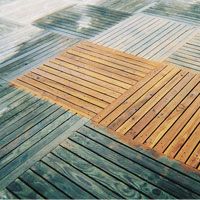
HOW TO REMOVE MOLD OFF DECKING

HOW TO REMOVE MOLD OFF DECKING


decking-brightener
If you’re the proud owner of decking and are frustrated at the build up of green algae that seems to keep spoiling its look, help is at hand.  In this article, we want to propose a few ways to help you remove mold off your decking.  The first thing to say about Mold or green algae is that it’s a very common problem on decking and isn’t something to be overly worried about.  The bad news is that there appears to be no way of stopping it happening.  All of that said, there’s no getting away from the fact that mold and algae does spoil the look of your decking at the same time as making it slippery to walk on, so action must be taken to remove it!
No matter which method of cleaning you choose, you need to make sure your deck is clear of all furnishing and pots as well as surface dirt and debris.  The best way to do this is to clear your decking entirely of furnishings and pots and sweep the deck thoroughly with a stiff brush, making sure you get right into the corners where mold and algae have a tendency to build up.
Thereafter, the first option is to buy an algae removing product from your decking supplier or call a professional service like www.washrite.co.nz, which has systems designed and developed with the sole purpose of removing mold from your decking.  Available in “green” or “eco” (and some not so green options), essentially what these cleaners do is attack the moss, algae and lichens that cause your decking to look a bit tired.
Many varieties of algae remover come in a concentrated format that you need to dilute, but if you’re unsure of this type of option, it’s best to choose a pre-mixed solution.  Most decking suppliers will be able to recommend an algae removing product that is suited to your particular decking, so do take the opportunity to seek advice if you’re in any doubt.  The way these products normally work is that you apply them to a clean surface and leave them to react with the algae or mold for a specified amount of time.  Thereafter, it’s a case of rinsing the deck, or in some cases, brushing the product away with a stiff brush.
If you prefer a more homemade approach, then you’ll need to arm yourself with a garden hose or power washer (set on a gentle setting), a bucket, a sponge and an oxygen-based bleach and water solution.  If you are worried about the effects of using bleach on your decking, check with either your decking supplier or any reputed supplier beforehand that a bleach-based solution won’t harm your finish.
What you need to do is cover the entire deck area with the bleach solution and leave it for about 15 minutes.  During this time, the solution will start to break up the mold and algae that’s visible and will also be working away to kill off at any traces that have yet to appear.  Once the bleach solution has had the chance to take effect, either power wash the solution away (on a gentle power setting) or simply hose it away.  If you find you have stubborn patches that remain, you can repeat the process and, if necessary, scrub the remaining areas with a stiff brush, all the time being careful not to damage the surface of your deck.
TOP TIP: Be careful, no matter which type of product you use, to thoroughly hose the surrounding area (if planted) with clean water to help protect your plants from any negative effects of the chemicals.
If you find that neither of these approaches does the trick, then the worst-case scenario is that you’ll need to have your deck sanded and re-finished.

Saturday, 31 December 2016

Is your home KILLING you ??

Is your home KILLING you ??

A lot of people don't know and or understand the dangerous circumstances they are living in on a daily basis just by the fact that they have not washed there house in a few years.
Take a few seconds and go out side and have a look at the shaded side of your house and have a look to see if you can see mold grown on your house?? If you have not washed your house in a past two years there is a very good chance not only can you see mold but a large portion of your house will be contaminated with mold. 

Image result for black mold on exterior house

Molds are organisms which are neither plant nor animal. They are part of the fungi kingdom.
Unlike plants, molds do not get their energy from the sun through photosynthesis. In fact the sun's ultraviolet light inhibits mold growth.
Molds also digest or "eat" the material they are growing on. Yes that's right mold is eating your house and your roof away, The role of mold is to break down decaying organic matter such as dead plants, leaves or dead animals.

Conditions for Mold Growth on your House

Besides oxygen and organic materials "Dirt" containing carbon to provide nutrients, the other main requirement mold needs to grow is moisture. You can find mold growing almost anywhere provided there is enough of a moisture source for it. 

Mold problems cannot develop on houses unless there is a moisture problem. The moisture accumulation might be caused through humidity, condensation, or water intrusion from leaks, spills, floods, etc. Most molds only require suitable materials to be wet for 24-48 hours before they can grow.

Molds that can survive using only humidity as their moisture source are called Xerophilic, whereas other molds require an accumulation of moisture to grow. outside the house the best way to prevent mold growing is to limit moisture by limiting shade. 

Besides moisture, mold also needs the temperature to be right before it can begin to grow. Mold grows best in temperatures that we would consider warm, however there are some mold species that can even grow in temperatures as low as 2 degrees Celsius. If a mold colony's environmental conditions become unfavorable, instead of dying it can lay dormant until conditions become right again when it can continue to grow.

What is Toxic Mold?

Out of the several hundred thousand species of molds, there are about 16 different species which are known as toxic molds because they can release mycotoxins which are toxic to humans and animals. Some of the most common toxic molds are:

  • Aspergillus
  • Fusarium 
  • Paecilomyces 
  • Penicillium 
  • Stachybotrys
  • Trichoderma
All of these molds can be found on the exterior of your house or on your roof

Toxic Black Mold Symptoms


On this page you will find symptoms caused by the 
Stachybotrys chartarum species of mold, which is also called black mold or toxic black mold.

However not all mold that looks black is Stachybotrys and in fact most dark mold isn't even toxic. For a list of symptoms that other molds can cause visit the Mold Symptoms page.

Types of Toxic Black Mold Symptoms

Toxic black mold causes serious symptoms and health problems such as mental impairment, breathing problems, damage to internal organs and sometimes even death. The main groups of symptoms toxic black mold causes are:

  • Mental and neurological symptoms
  • Respiratory symptoms
  • Circulatory symptoms
  • Vision and eye problems
  • Skin problems
  • Immune system problems
  • Reproductive system problems
  • Tiredness and discomfort
  • Other illnesses and health effects

Mental and Neurological Symptoms From Toxic Black Mold

The trichothecene mycotoxins produced by toxic black mold are neurotoxic. This means they can kill neurons in the brain and impair a person's mental ability. They also cause nervous disorders such as tremors and can cause personality changes such as mood swings and irritability.

Symptoms:

  • Confusion
  • Brain fog
  • Shortened attention span
  • Difficulty concentrating and paying attention
  • Slowed reflexes
  • Disorientation
  • Dizziness
  • Memory loss and memory problems
  • Impaired learning ability
  • Hallucinations
  • Shock
  • Anxiety
  • Depression
  • Aggression and other personality changes
  • Tingling
  • Trembling
  • Shaking
  • Seizure
  • Numbness

Respiratory Symptoms From Toxic Black Mold


People living in homes with toxic black mold are exposed mainly through breathing in toxic black mold spores and mycotoxins. Toxic black mold mycotoxins create irritation and a burning feeling in a person's air passages such as the nasal cavity, mouth and throat.


The mycotoxins can even become lodged in the mucus membranes, sinuses and the lungs which then causes a burning feeling, breathing problems and bleeding in the lungs.


Image result for black mold on exterior house

Symptoms:

  • Difficulty breathing - breathlessness or shortness of breath
  • Wheezing
  • Coughing
  • Pulmonary edema - swelling of the lungs
  • Pulmonary hemorrhage - bleeding in the lungs
  • Sore throat
  • Burning sensation of the mouth
  • Bleeding gums
  • Runny nose
  • Itchy nose
  • Stuffy, blocked nose
  • Nose bleeds

Circulatory Symptoms From Toxic Black Mold

Toxic black mold mycotoxins can be breathed in, ingested, or absorbed through a person's skin or eyes. Eventually the mycotoxins then find their way into the person's blood. This leads to heart damage, problems with blood clotting and internal or external hemorrhaging.

Symptoms:

  • Irregular heartbeat
  • Heart inflammation
  • Damage to heart
  • Low blood pressure
  • Bone marrow disruption
  • Bleeding tendency
  • Blood not clotting properly
  • Hemorrhage - internal bleeding
  • Vomiting up blood
  • Bleeding in the brain and in other organs

Vision and Eye Symptoms From Toxic Black Mold

Toxic black mold mycotoxins that are in the air can enter a person's eyes. The mycotoxins are cytotoxic (toxic to cells) and when they come into contact with eye cells they cause inflamed and injured eyes and create vision problems.

Symptoms:

  • Eye inflammation and soreness
  • Red or bloodshot eyes
  • Eye damage
  • Blurry vision and vision worsening
  • Jaundice (yellowing of the eyes)

Skin Symptoms From Toxic Black Mold

Through the skin is one of the three main ways that toxic black mold mycotoxins enter the human body. There have been cases in the past where people have handled hay contaminated with toxic black mold and developed severe rashes and skin problems on their body where they touched the hay, as well as on sweaty areas like the armpits.

Symptoms:

  • Crawling skin
  • Dermatitis - skin inflammation, rash, blisters, itchiness
  • Jaundice (yellowing of the skin)

Immune System Symptoms From Toxic Black Mold

Toxic black mold puts out chemicals which suppress the immune system. In fact many immunosuppressive drugs are actually created from toxic molds. A person who is immunocompromised from being around toxic black mold will more easily get infections and sicknesses.

Symptoms:

  • Immunosuppression - immune system not functioning properly
  • Infections reoccurring

Reproductive System Symptoms From Toxic Black Mold

Mycotoxins from toxic black mold are teratogenic. This means they can cause problems in the fetus during pregnancy which then leads to birth defects. Toxic black mold mycotoxins are also cytoxotic and mutagenic (cause cell mutations) and inhibit protein synthesis including DNA and RNA.

Symptoms:

  • Infertility
  • Miscarriage
  • Impotence
  • Fetal development problems

Tiredness and Discomfort Symptoms From Toxic Black Mold

When a person is around toxic black mold the immune system may release a sedative called Chloral Hydrate. This is used as a defense to try to slow down the effects of toxic black mold. But this also makes a person tired and causes fatigue. Toxic black mold can also cause soreness of the muscles and joints.

Symptoms:

  • Chronic fatigue
  • Drowsiness
  • Weakness
  • Aches and pains
  • Muscle pain
  • Chest pain
  • Abdominal pain
  • Joint pain
  • Malaise - general discomfort
  • Headaches
  • Cold or flu type symptoms or recurring colds
  • Fever
  • Nausea
  • Vomiting
  • Diarrhea
  • Image result for black mold on exterior house

Other Symptoms From Toxic Black Mold

Symptoms:

  • Hair loss
  • Weight loss, anorexia
  • Hearing loss
  • Liver disease
  • Coma
  • Death
All of this can be prevented by a simple house wash once a year, We also recommend you ask your house wash contractor to use a sodium hypochloride solution to wash down the house. 

We would like to Thank Mr Troy Hillard from Wash Rite House Washing for his expert opinion on how to clean a house to safely remove the mold.

If you believe you have medical issues relating to mold exposure please seek medical advise instantly.

Sunday, 27 November 2016

7 Tips for Preventing Mold In Your Home

7 Tips for Preventing Mold In Your Home

Exposure to mould is more common than you think!

Your home may be covered with mould, but you don’t realize it. Exposure to mold is common both inside and outside the home. Some people are more sensitive than others, especially those with allergies and asthma. Because mould spores are very small and can easily be inhaled into the lungs, it is harmful to live in a home with high mould levels. Exposure to high spore levels can cause severe mould allergies.

How do I know if I have mold and what do I do?

Moulds grow on organic materials such as wood,paper, leather, dirt and soap scum. They grow best at warm, moist temperatures, between 15 to 28 degrees Celsius.
The simplest way to detect a mould problem is using your own senses. A musty odor is one indication. Not only is mould smelly, but can be many different colors from black and gray to orange and green. Watermarks on the ceiling and walls are also a telltale sign.
Most often bleach and water can be used to rid the house of mould. The problem is this does not guarantee that the mould will not come back in the future. The only way to keep your house clean is to prevent mould from occurring.

Here are 7 tips for mould prevention:

  1. Wet materials need to be dried quickly.

    Mould will grow within 2 days given the right conditions. Leaving your wet towel or other item lying around inside or outside the house gives mould a chance. Ever left your laundry in the washer for too long? The nasty smell when you pull it out is mould.
  2. Cleaning, disinfecting and drying surfaces prevents mould growth.

    Surfaces like sinks or floors are also favorite places for mold; more so if they are wet most of the time. Luckily these are typically non porous surfaces (tile, stone, laminate…) which makes them ideal for disinfectants and other cleaners. Some people consider the strongest and safest method of disinfecting to be a vapor steam cleaner. Once finished cleaning, make sure no moisture remains. Mould can grow faster than you think. Making sure your surfaces are dry prevents other hazards for the residents living there too.
  3. Reduce moisture levels in the bathroom by running an exhaust fan during and after showers.

    Your foggy mirror isn’t the worst problem you’ll have if you don’t use the fan during your shower. The moisture in the air is getting into every nook and cranny, the kind of places that are very hard to clean, even if you do notice the mold growing there. Exhaust fans help minimize the moisture level in the bathroom as well as the possibility of growing mold.
  4. Fix plumbing leaks and seepage to prevent the buildup of moisture and prevent the growth of mould.

    Leaks are caused by pipes that have disintegrated already. It is important to replace old pipes as soon as they show signs of being dilapidated. The moisture from a leaky pipe will travel much further than just the visible signs. No matter how much you try to keep the house clean, there are still areas that you are neglecting or can’t get to. Those are the places mould loves to grow.
  5. Store clothing, camping gear, and other occasional use items dry and clean to prevent the growth of mould.

    Thoroughly dry your items before putting them into storage. Try to put them outside or in places where there is air circulating. The last thing you want to find out on a camping trip is that your tent was put away wet last time and is covered in mold.
  6. Increase the flow of air within your home.

    Moving furniture away from walls and opening closet doors to permit air circulation limits the growth of molds. Confined spaces and dark areas should be kept ventilated. Open windows are preferable over fans and air conditioning. There should be a stable availability of fresh air coming inside the house to prevent mold.
  7. Deal with your basement!, and prevent condensation.

    Lets face it, no one likes going down to the musty basement. You just need to man (or woman) up and deal with it. Whether that means running a dehumidifier, installing a foundation drain, or getting more air circulation, don’t let that moisture remain trapped under you home. Insulating walls and installing storm or thermal pane windows keeps walls warm and limits condensation.
Other additional mold prevention tips :
You may not realize it yet but those beautiful plants you have in your home could be harboring unwanted friends and foes. Plants are great for helping to keep the air in the home clean but can also be a source of mold. Moulds like to grow in the soil of our house plants and sometimes on the leaves.
One simple treatment can help keep your houseplants mould free. Taheboo tea can help to retard mold growth in your plants soil. Just adding this tea to your house plant water in a mild solution is enough to do the trick!

If you have any questions around mould and how to remove it call Wash Rite on 0800101216 for free advise

Wednesday, 16 November 2016

TIPS TO KEEP YOUR DRIVEWAY OR CONCRETE AREA'S CLEAN

There are a few easy steps you can take to keep your driveway clean and free from moss, mould and gunge. Now there is no replacement for getting a professional company in to clean and treat your driveway and hard surfaces. These tips are for after the professionals have been in and cleaned your concrete and you wish to keep it looking clean and just like it was brand new. For a free quote on the initial clean click FREE QUOTE


After your driveway is clean and you wish to keep it clean you can follow some or all of the bellow points.

  • Mix a 10 to 1 bleach to water solution and spray that over the concrete once a month, The sodium hypoclhorite in the bleach will kill and moss, mould and gunge spaws before they can grow.
  • If you have fruit tree's in your garden you would almost certainly spray them with cooper sulphate on a yearly basis. Next time you spray your fruit trees make a little more up than you need and spray any concrete area's. Nothing kills moss, mould spaw's as fast as cooper sulphate.
  • A very Eco friendly option os to spray the concrete with vinegar, This is not as fast as bleach but will slow down the return of the moss and mould dramatically as it puts the PH balance out and its not ideally growing conditions for the moss and mould.
  • The best long term option if its available is to trim or cut down any plants or trees that is shading your concrete, direct sunlight is great for stopping moss and mould growing, As you will see it always grows on the shaded side of your house. Sunlight is free so try this step first.
If you have any questions please visit our website at www.washrite.co.nz


Wednesday, 14 September 2016

Why should you wash your roof???

As i go around and meet clients at Wash Rite House and Roof Washing and provide them with a quote to clean and or treat there roof for moss and mould i get asked often "why should you wash you roof?"


Well it's very simple why you should wash your roof! Keeping your roof clean and free from harmful moss and mould will prolong the life of your roof. And cleaning and treating your roof is alot cheaper in both the short term and long term than replacing your roof.

All roofing manufactures in New Zealand recommend that you should clean your roof or have it treated for moss and mould at least every 2 years to keep your roof in its best shape and to prevent premature degrading and failure of your roof.

Around the world all the big insurance company's are now starting to not insure houses if the roof is not cleaned on a regular basis as they do not wish to be forced to pay out claims for roof replacements, The worlds largest insurer as well as New Zealand largest AIG have implemented this policy in the past 6 months

As we all know you do not want to be left without insurance when you really need it. At Wash Rite we always recommend that all our clients do a full roof clean every 2 years and a moss and mould roof treatment every other year. This system works very well in the New Zealand environment and the roofs look great and the clients are always happy with the outcomes we get for them. I will shop some pictures of our work below.
This is a two unit block, one owner wanted it treated for moss and mould
and the other for what ever reason did not want it or was not available to ask.

This is two small house joined with a common wall, One house hold got treated
and the other did not like any chemicals used on there property so no 
treatment was done on there half of the roof.

As you can see we at Wash Rite can get some outstanding results from our roof cleaning and treatment methods and we always recommend to keep your roof in great shape as its protecting the rest of your house which is your biggest asset you own.

If you have any question please feel free to ask, you can email me on washrite@outlook.com or visit http://washrite.co.nz/services/roof-wash/

Wash Rite Limited
0800101216

Saturday, 16 July 2016

NEW TO THE HOUSE WASH INDUSTRY - Wash Rite www.washrite.co.nz

When your new to the house wash industry or roof cleaning and treatment industry there is very little information out there in regards to techniques or how to clean certain materials. There is always heaps of before and afters but most people don't share there secretes with the new guys. As most new guys are seen to be bucket bobs.
This picture might be a set up but most new guys don't have the newest or even the right equipment to wash a house or clean gutters or do a moss and mould roof treatment but they make do with what they have got and build from there. When i started Wash Rite in Hamilton New Zealand i decided i wanted to be the most professional looking acting house wash and exterior washing business in my area. This meant i had to invest in that idea by investing my money into new or modern second hand equipment , Lettered and signed written service vehicle and uniforms. Most of all i had to invest in my training and my teams training so we got a reputation to be the best house washing business in our market. This investment in my team was the best money i could have spent and will continue to invest time and money into them. It is also important to select the services you want to offer and master them. The services we offer are .
- Soft Wash house washing (low pressure house wash)
- Soft Wash Roof Washing
- Moss and Mould roof treatments
- Gutter cleaning
- Window Cleaning
- Driveway and concrete pressure cleaning
- Fence and deck cleaning
- Exterior spider spraying
for more information on our services check out our website www.washrite.co.nz for all your house washing requirements.

Now you have the services you will offer sorted out now you need to market them. What Wash Rite did was build a website www.washrite.co.nz and spent some money getting some SEO done on it and list that site on as many business directory as we can. Get your website up asap as age of domain is very important. Next is get a Facebook page up for your business. Wash Rite page is found at www.facebook.com/washritenz and as you will see from the Wash Rite page we post almost daily on there and content is key.

Now we have been going for about 12 months we have forced our way into the top 3 company's in our area and have a great reputation for quality of our work and being a great community member.

Also a key thing to do is get listed on google, Join and open a google plus page, Wash Rites can be found easily and so can our address and contact phone number of 0800101216 this is important is a client wants to talk to you.

Now you need to build a sales funnel to get people to request a quote or your services, We use many ways to get these leads, Website, google ad words, door hangers, lettered trucks, work uniforms, networking and much more but we allways funnel the leads to two locations first is our phone number 0800101216 or the second is our request a quote page on our website washrite.co.nz/request-a-quote/ once people contact via these two locations than the sales team kicks into gear.

Now to get advanced make some short videos of your team working and post them to you tube, this will help with SEO and it will start to build a audience and a client base, Over time you will become the authority on house washing in your area.


Now if you have any questions on building your house washing business please just ask in the comments guys.

Thanks
Troy Hillard
Wash Rite - 0800101216
www.washrite.co.nz

Wednesday, 13 July 2016

Door Hangers and flyers.... Do they work????

I get asked alot about do handing out flyers and hanging door hangers and if it works????


Well the answer is yes it works, But you have to be smart about how you do it. Firstly we have a company policy that the workers MUST hang a door hanger on the doors of the next door neighbors and the 3 houses across the road of the house there washing. this is a very cost effective way of doing it.

Next is that we employee a person to work one day a week hanging door hangers and they are able to do about 1000 in a 8 hour day, It works out great for them as they have the day off from uni. We really make sure the door hangers are hung on the door knob and not put in the letter box as our hit rate for a flyer in the letter box is 1% and the hit rate for a door hanger on the door in 10% so a massive difference.

 These on the side are the door hangers we hang and we have a great result out of these and will never go back to flyers in the letter box.

We do have standard type flyers but there not handed out in a mail box form, these are only handed out when someone quires about our services and wants more information than we will hand out the flyer as it holds all the information they want. These flyers are great to inform people but not very good in grabbing there attention.

Now you are ready to hang door hangers the next major this is what areas to hang them. My rule is never hang them in the poor areas of town, Even though we do heaps of work in those areas we find most houses in the poor areas are rentals and the people getting your door hangers dont make the call weather to spend the money or not. We target the landlords in other ways.

We will always target middle class to upper class areas as most of these peoples own there own home and can make the decisions to spend the money or not , plus these people have spare money to spend on the maintenance of there home. And there homes are always larger so the charge amount for the                                         job is always larger as well.

The time of the day is always important as well, I try and hang door hangers around 2pm to 5pm, This means the door hanger has less chance of blowing away in the wind and it there awaiting the home owner to come home from work and its right there for them to see.
We also boost our effort in the first 3 weeks of spring and we hire an extra 3 people for 3 week straight to hang door hangers and we normally get about 7500 up per week and with spring people are back out side looking at there house and checking how dirty and how much moss and mould has grown over the winter months.

Simple rules with design, keep it simple and try and grab there attention with the design instantly.

If you want any information just comment and follow the blog

Troy Hillard
Wash Rite
www.washrite.co.nz   0800101216